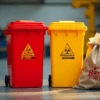
Medical waste disposal is a critical aspect of healthcare operations that often doesn’t receive the attention it deserves. Proper management of medical waste is essential not only for compliance with regulations but also for protecting public health and the environment.
What is Medical Waste?
Medical waste encompasses a wide range of materials generated from healthcare activities, including:
- Sharps (needles, scalpels, broken glass)
- Infectious waste (items contaminated with blood or body fluids)
- Pathological waste (human tissues, organs)
- Pharmaceutical waste (expired or unused medications)
- Chemical waste (laboratory reagents, disinfectants)
- Radioactive waste (materials used in radiation therapy)
Risks of Improper Disposal
When medical waste is not properly managed, it poses significant risks:
- Disease Transmission: Improperly disposed medical waste can spread infectious diseases to healthcare workers, waste handlers, and the general public.
- Environmental Contamination: Hazardous components can leach into soil and water systems, causing long-term environmental damage.
- Injuries: Sharps waste can cause physical injuries if not contained properly.
- Drug Resistance: Improper disposal of pharmaceuticals can contribute to antimicrobial resistance.
- Legal Consequences: Non-compliance with waste regulations can result in significant fines and legal penalties.
Best Practices for Medical Waste Management
Effective medical waste management involves several key steps:
- Segregation: Waste should be separated at the point of generation according to its category.
- Containment: Each type of waste requires appropriate containers (e.g., puncture-resistant containers for sharps).
- Labeling: Containers must be clearly labeled to indicate the type of waste and potential hazards.
- Storage: Waste should be stored in designated areas with appropriate temperature control and security measures.
- Transportation: Licensed transporters should move waste in vehicles designed for this purpose.
- Treatment: Various methods (autoclaving, incineration, chemical treatment) can be used to render waste safe.
- Disposal: Final disposal should occur at authorized facilities.
- Documentation: Maintaining records of waste generation, treatment, and disposal is essential for compliance.
The Role of Professional Waste Management Services
Healthcare facilities benefit from partnering with professional waste management services like Royfy Enterprises. These specialists:
- Stay current with evolving regulations
- Provide appropriate containers and collection schedules
- Ensure proper treatment and disposal
- Maintain required documentation
- Offer training and education for staff
- Help develop comprehensive waste management plans
Conclusion
Proper medical waste disposal is not just a regulatory requirement it’s a critical component of public health protection and environmental stewardship. By implementing best practices and working with qualified waste management partners, healthcare facilities can ensure they’re meeting their obligations while contributing to a safer, healthier community.
At Royfy Enterprises, we’re committed to providing comprehensive medical waste management solutions that protect your staff, patients, and the environment. Contact us today to learn how we can help your facility implement effective waste management practices.